
Window dressing trends for 2026 reflect a clear shift in how we use our homes. Homeowners are prioritising smart technology, sustainable materials, and layered window treatments that balance comfort, privacy, and style.
Whether you’re updating one room or planning a whole‑home refresh, this guide breaks down what’s in, and how to choose the right window dressings for your space in 2026.
Smart & Motorised Window Treatments
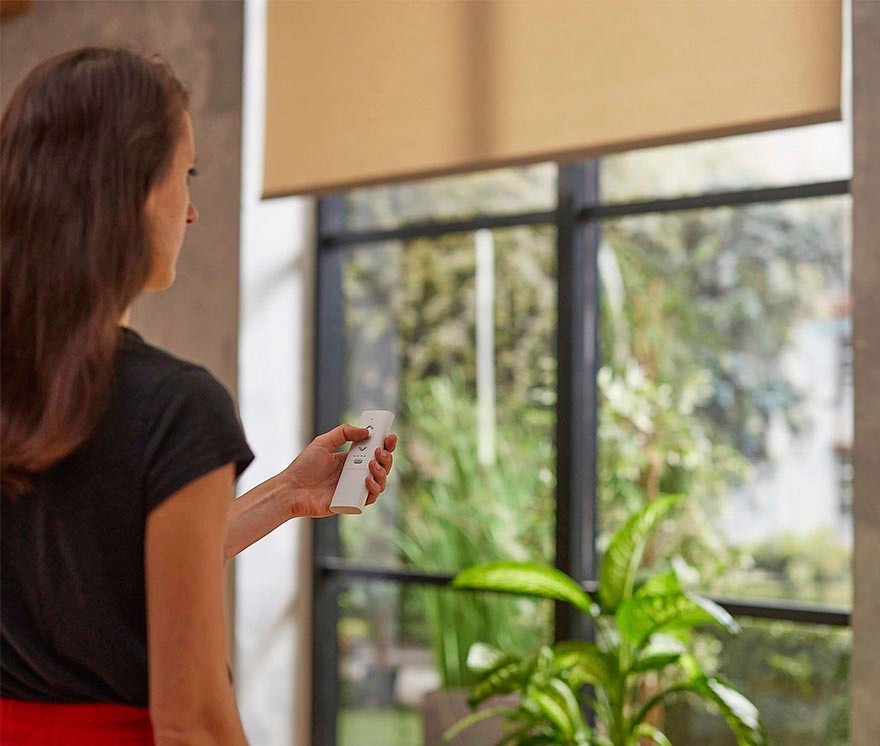
Smart homes are becoming the norm, and motorised blinds and curtains are leading the way. In 2026, homeowners are searching for window solutions that work seamlessly with Alexa, Google Home, and app‑based controls.
Motorised window treatments offer:
- Effortless daily operation
- Improved energy efficiency
- Enhanced privacy and security
- Ideal solutions for large or hard‑to‑reach windows
Best rooms for this trend:
Living rooms, bi‑fold doors, bay windows, bedrooms
Sustainable & Natural Window Dressings
Sustainability continues to influence interior design choices. In 2026, window dressings made from organic linen, bamboo, woven wood, and recycled fabrics are in high demand.
Natural materials:
- Improve indoor air quality
- Create warmer, softer interiors
- Align with eco‑conscious lifestyles
- Suit both modern and traditional homes
Earthy tones such as oat, clay, stone, and moss green are especially popular.
Layered Window Treatments for Light & Privacy Control
One of the most searched window dressing trends for 2026 is layering. Single blinds or curtains are being replaced by layered solutions that offer flexibility throughout the day.
Popular combinations include:
- Sheer curtains + blackout curtains
- Roman blinds + roller blinds
- Wooden blinds + full‑length curtains
This approach allows you to soften daylight while maintaining privacy and insulation.
Designer tip:
Layering also improves thermal performance, helping homes stay warmer in winter and cooler in summer.
Traditional Details with a Contemporary Finish
Decorative window details are back… but with restraint. In 2026, we’re seeing a refined return of:
- Upholstered cornices
- Soft valances
- Decorative trims and tassels
Instead of heavy or ornate styles, homeowners are choosing simpler shapes and neutral palettes for a modern look.
Best spaces for this trend:
Living rooms, dining rooms, period properties
Roman Blinds Remain a Timeless Favourite
Roman blinds continue to dominate UK searches due to their versatility, clean lines, and timeless appeal. They work beautifully on their own or layered with curtains.
Why Roman blinds remain popular:
- Suitable for any room
- Require less fabric than curtains
- Easy to customise with trims or textures
- Ideal for kitchens and bedrooms
Café Curtains for Light‑Filled, Cosy Homes
Café curtains are one of the fastest‑rising trends for kitchens and breakfast areas. They cover only the lower half of the window, offering privacy without blocking light.
This European‑inspired style suits:
- Kitchens
- Utility rooms
- Café‑style dining spaces
Style idea: Pair café curtains with Roman blinds for a layered, continental look.
Why Choose Made‑to‑Measure Window Dressings?
Made‑to‑measure blinds and curtains ensure:
- Perfect fit
- Improved insulation
- Longer lifespan
- A polished, high‑end finish
Window dressing trends for 2026 reflect a desire for homes that feel smarter, calmer, and more personal. By combining technology with natural materials and thoughtful design, today’s window treatments work harder (and look better) than ever.
Whether you’re considering motorised blinds, elegant Roman shades, or layered curtains, investing in the right window dressings can completely transform your space.
The most popular window dressings in 2026 include motorised blinds, layered curtains and blinds, Roman blinds, and sustainable natural fabrics like linen and bamboo.
Yes. Motorised blinds offer convenience, energy efficiency, and smart home integration, making them one of the most practical window treatment upgrades.
UK homeowners are favouring linen curtains, neutral tones, layered sheers, and minimal decorative details such as trims and cornices.